

“They went with the cheaper option.”
The deal review starts the way they always start.
“The timing wasn’t right.”
“They already had the relationship.”
Everyone in the room has an explanation. All of them point outward.
But the product comparison told a different story. Your solution was better—features, integration, long-term cost. And the prospect knew it. They said as much during the sales process.
But they still chose the other offer. Something they could defend if it failed.
Before the pitch, the VP spent the morning convincing the board not to cut her team.
So the safety offer trumped the savings offer.
Motivation Isn't the Problem. Conditions Are.
The savings offer didn’t lose because it was wrong. It lost because it was solving the wrong thing.
It operated from solution thinking—the notion that the best product sells itself. But customers don’t buy the product that’s best for them. They buy the product that was best sold to them.
And best sold means understanding your customer’s problem before they ever hear about your solution.
For some, it’s making their kids’ soccer games. The job promised flexibility six months ago and hasn’t delivered. Every decision runs through one filter: does this help me get more family time back?
For others, it’s protecting a team they recruited personally. People they brought over from a previous company after making a bet on them. Their next move isn’t about ROI. It’s about keeping a promise.
The same solution could serve both. But it would need to be sold differently.
And until you understand what drives someone into action, you’re guessing which problem to solve.
The 5 Drivers of Human Action

As humans, we're always operating on one of five levels.
And the level we’re operating on determines what we can hear, what we’ll respond to, and what we ignore—no matter how good the offer is.
1. Stability Drivers
“Is this safe?”
Before a customer evaluates your solution, they evaluate their own footing.
Is my job secure?
Is my department going to exist in six months?
When stability is threatened, every other conversation becomes noise.
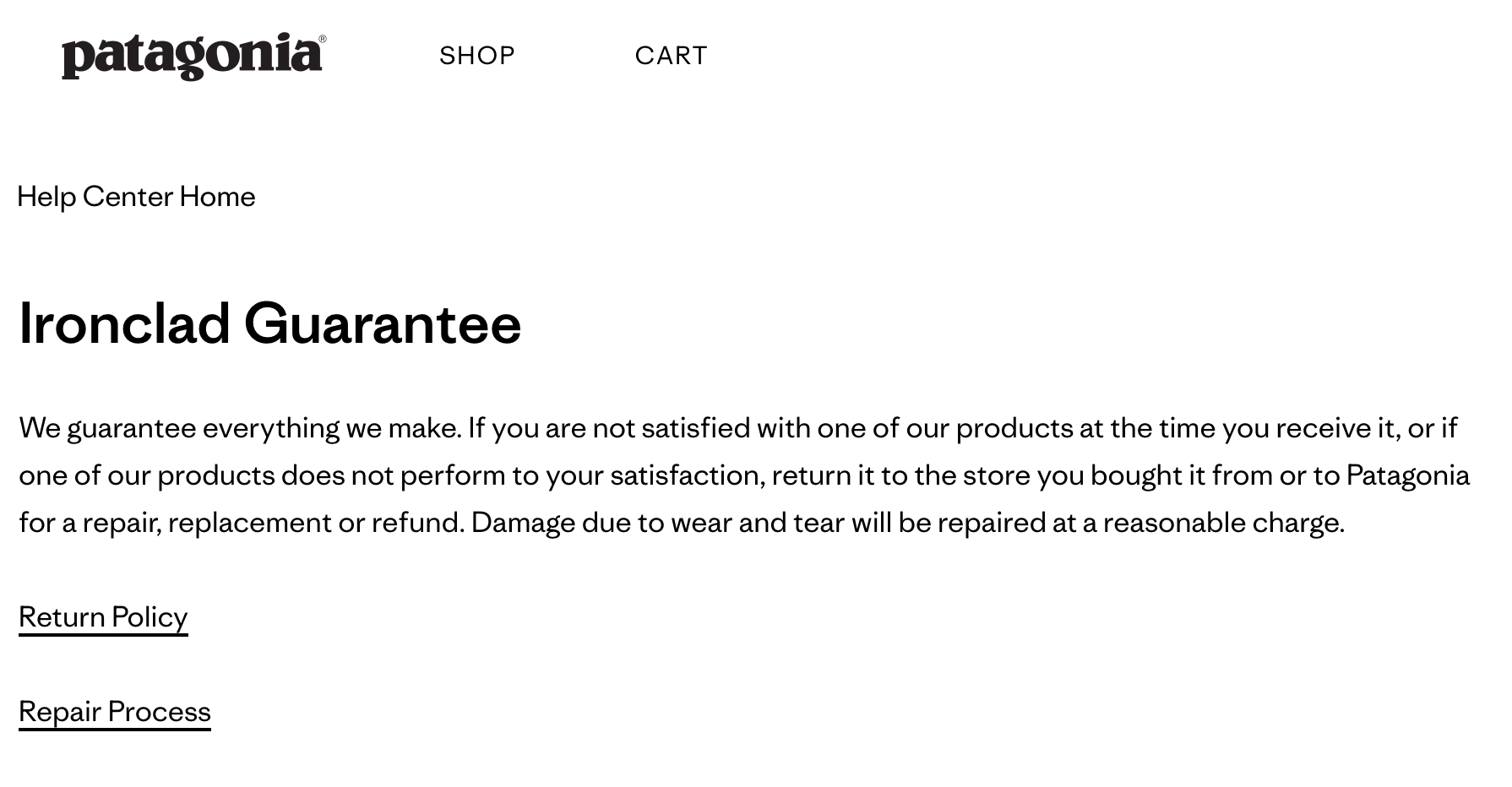
Patagonia understood this before they understood anything else. The Ironclad Guarantee — lifetime repair or replacement — eliminated the survival-level question before the customer ever had to ask it.
You’ll recognize this when every conversation circles back to risk.
“What could go wrong?”
“How do we de-risk this?”
That’s not resistance. That’s a customer telling you exactly where they stand.
When stability anxiety becomes the permanent filter, every opportunity gets evaluated through risk-first framing.
Stability governs whether someone can hear you at all.
2. Economic Drivers
“Does the math work?”
This is where most sales conversations live. ROI projections and cost comparisons. The customer needs the numbers to hold before anything above this level activates.
Patagonia reframed the math entirely. A $300 jacket that lasts twenty years costs less per year than the $100 jacket replaced every season.
The Worn Wear program —trade-ins at up to 20% of suggested retail price — means the purchase retains value after the buying decision.
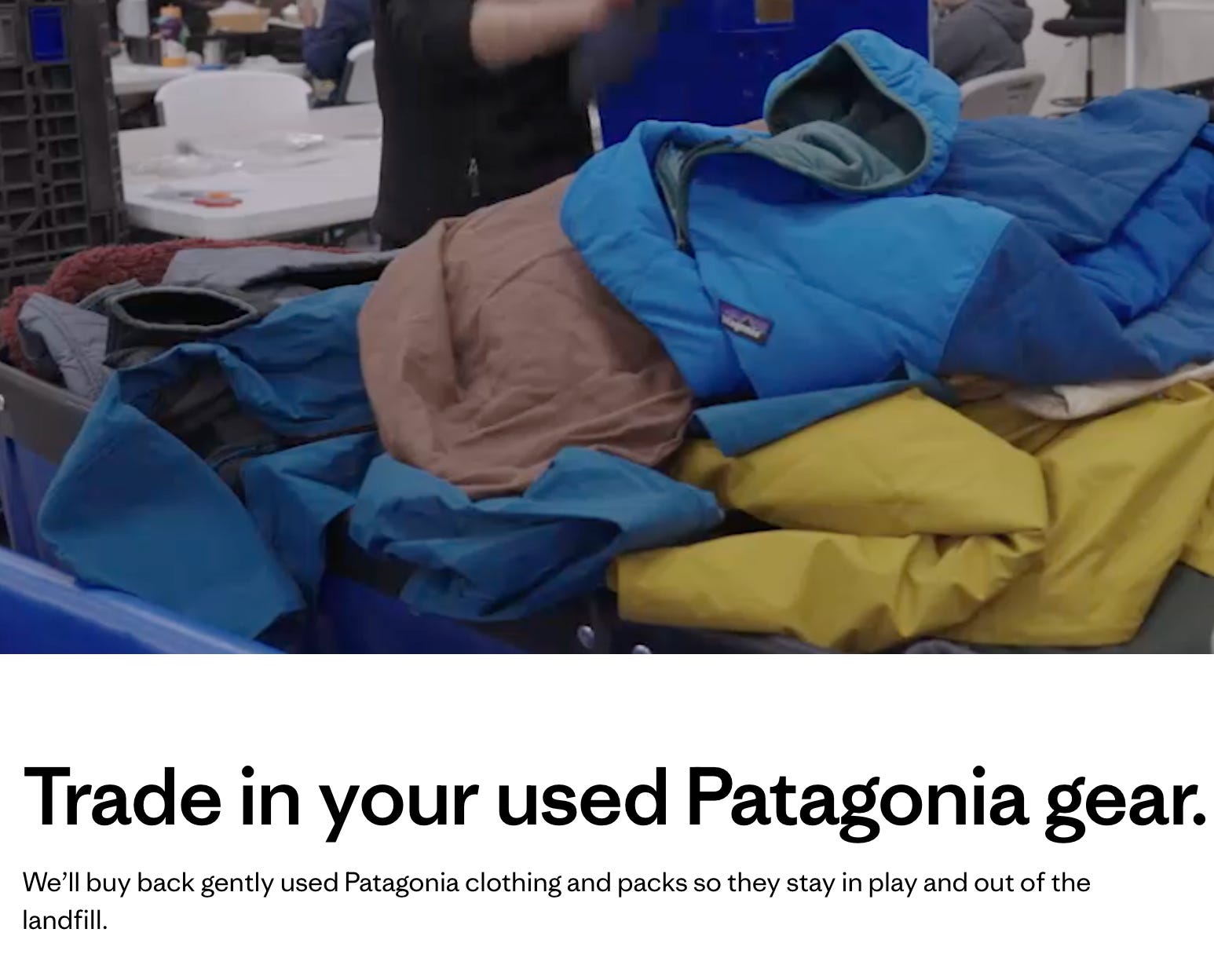
The customer does the math themselves and arrives at a different answer than price comparison would suggest.
You’ll recognize this when the conversation narrows to spreadsheets.
“Show me the numbers.”
”How does this compare on cost?”
The customer isn’t being difficult. They’re standing on the level where numbers are the only language that registers.
The foundation holds when both of these levels are stable.
3. Social Drivers
“Who does this associate me with?”
At this level, decisions are about affinity.
You’ll hear it when questions shift from “what does this cost?” to “what does this say about us?”
That carries more weight than spreadsheets.
Patagonia’s gear drives that association for their customers. Each purchase signals membership in a group that says “I prioritize the planet.”

When affinity drives the decision, the customer is drawing a line. This is who I am. That is who I'm not.
4. Growth Drivers
“Who do I become because of this?”
At this level, the customer is looking to transform.
You’ll recognize it when someone asks “How do other people in my situation end up?”
Usually? They wear something out and buy another one. They never learn how it works. They stay consumers.
Patagonia knows that pattern. And they choose to interrupt it.
They publish free repair tutorials. They could push you back into the store. Instead, they teach you how to fix the jacket you already own.
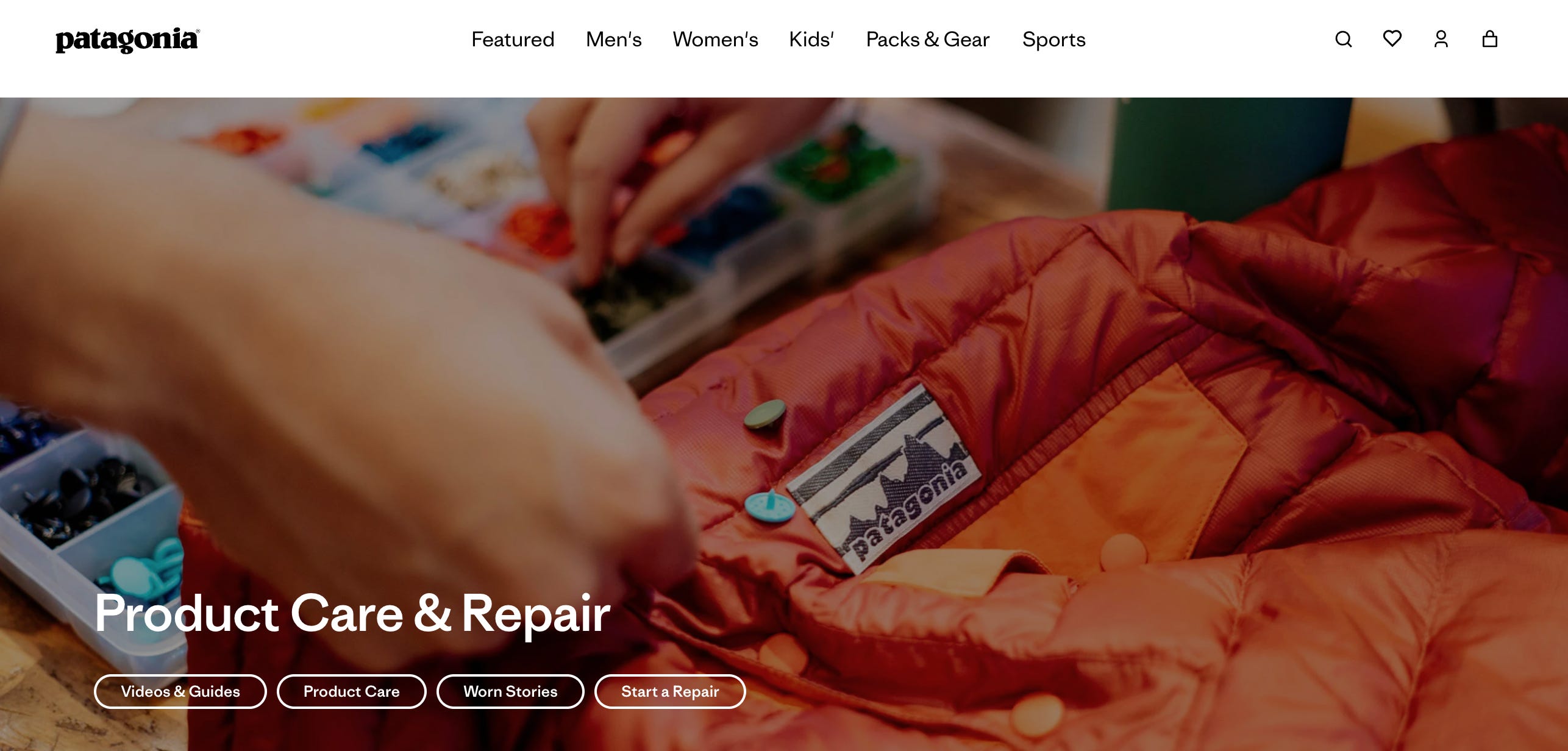
When someone repairs their gear, they wear it more. They keep it longer. It turns into a story.
“How long have you had that jacket?”
“Years. I fix it myself.”
Now the customer isn’t just wearing Patagonia. They’ve learned a skill. They trust themselves a little more.
The jacket was the product. Capability was the outcome.
5. Meaning Drivers
“Why does this matter beyond me?”
This is the top.
Here, change moves beyond the individual. It spreads to their friends, their teams, their families. It shapes buying habits, conversations, even what people expect from other companies.
In 2022, Patagonia put it in writing: “We’re in business to save our home planet.”
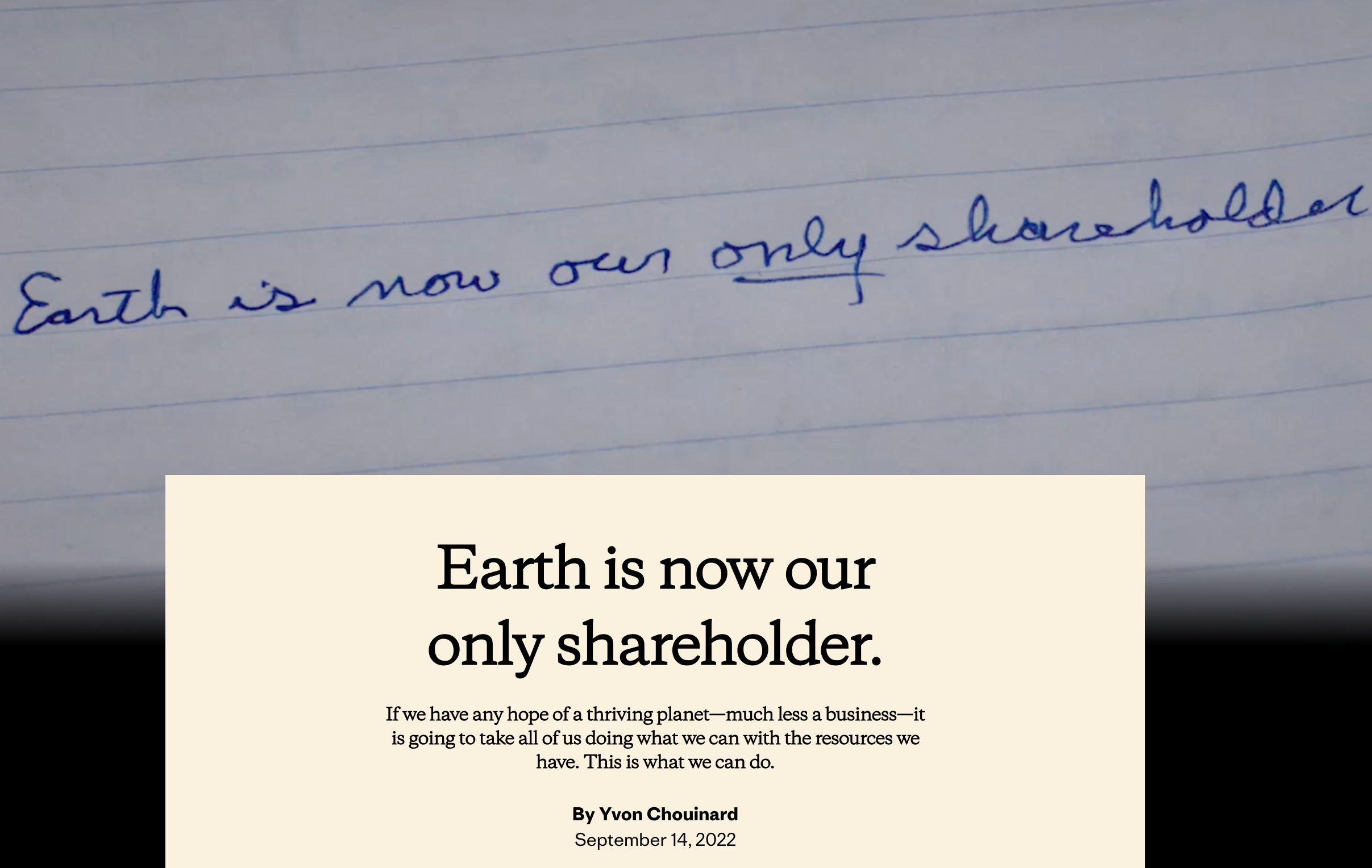
For an outdoor gear company, that sounds extreme. That’s the point. It gives customers a cause to stand behind, not just a product to wear.
Joseph Pine spent twenty-five years mapping this progression — from commodities to goods, services, experiences, and finally, transformation. A transformed customer is the greatest marketing asset you’ll ever have—because they don’t promote your product. They share what it did to them.
You’ll know you’ve reached this level when the conversation shifts away from the company entirely:
“What’s our responsibility here?”
“What are we building that matters?”
That’s meaning. And it only holds if every level below holds.
Don’t Start With Trying To Save the Planet
Patagonia didn’t start there either.
They started by understanding the full arc of their customer. Not just the surface problem — what gear do they need? — but the entire journey. Where is this person right now? What level are they trying to reach? What’s the path between here and there? And who do they become as they climb it?
That arc is what drove every decision Patagonia made. The Ironclad Guarantee addressed where customers were. The cost-per-year reframe met them at economics. The community formed around shared values. The repair tutorials built capability. The mission gave it meaning.
They didn’t skip levels. They built the ladder rung by rung — because they understood the full arc before they built the first product.
Most companies stop at the first two drivers. They ask surface questions. “Did this save you money?” “Is this less risky than what you had?” Those matter. But now you know there’s more underneath.
The shift is asking what’s driving beyond those surface answers. Not just “are you safe?” but “who does this associate you with?” Not just “does the math work?” but “who are you becoming because of this?”
That’s not a harder conversation. It’s a deeper one.
And that starts with knowing where they stand right now.
Higher Levels Require Conviction, Not More Skill
Most companies stay on the surface. It feels safer.
The first two levels are concrete. More defensible in a quarterly review.
“We reduced costs by 30%” is easy to say.
“We changed how our customers see themselves” is not.
But staying on the surface has a cost. Surface problems create crowded markets. Without conviction to go deeper:
You work on rented problems — the same ones everyone else chases.
You develop rented positioning — based on what you do, not what you change.
And your customer gets a rented identity — useful, maybe valued, but never fully theirs.
You get better. But you don’t get different.
The higher levels change the problem itself.
There’s no early proof.
No clear benchmark.
No existing category language to borrow.
That’s why conviction matters. You choose the level first.
Own the problem, and prime position becomes yours.
You shape how your customer sees progress instead of renting space in a crowded market.
That shift is harder to measure in a quarter. But it’s harder to replace in a year.
That’s the trade.
Map Your Customer's Mobilization Ladder
You’ve seen what happens when you stay on the surface and what changes when you go deeper.
Now make it yours.
Start with one customer. Not your ideal customer. A real one. Someone you’re working with right now or someone you recently lost.
Use these 3 prompts:
1. The Driver Read
Where are they standing right now? Which driver is running their decisions — safety, economics, affinity, growth, or meaning?
You are a strategist who helps companies see which driver is actually running their customer's decisions. You know that customers don't always operate on the level companies assume. A customer who seems difficult about price may actually be protecting their job. A customer who asks for case studies may actually be looking for identity confirmation. The signal is in the conversation — what they circle back to, what they push on, what they resist. Your job is to help people read those signals and name the driver.

You're speaking with someone who just read about the five drivers of human action. Every customer is operating on one of five levels, and the level they're on determines what they can hear, what they'll respond to, and what they ignore — no matter how good the offer is:

- Stability: "Is this safe?" — Every conversation circles back to risk. "What could go wrong?" "How do we de-risk this?" When stability is threatened, every other conversation becomes noise.
- Economic: "Does the math work?" — The conversation narrows to spreadsheets. "Show me the numbers." "How does this compare on cost?" Numbers are the only language that registers.
- Social: "Who does this associate me with?" — Questions shift from "what does this cost?" to "what does this say about us?" Decisions are about affinity and identity signaling.
- Growth: "Who do I become because of this?" — The customer is looking to transform. "How do other people in my situation end up?" They want capability, not just a product.
- Meaning: "Why does this matter beyond me?" — The conversation shifts away from the company entirely. "What's our responsibility here?" "What are we building that matters?"

Patagonia understood this arc. The Ironclad Guarantee addressed Stability. The cost-per-year reframe met Economics. The community formed around Social. The repair tutorials built Growth. The mission gave it Meaning. They didn't skip levels — they built the ladder rung by rung.

Now help the reader see which rung their customer is standing on.

---

YOUR TASK

Ask:

"Think about one customer — not your ideal customer, but a real one. Someone you're working with right now or someone you recently lost.

Two questions:

1. What do conversations with this customer actually sound like? Not what you pitch them — what they keep coming back to. What questions do they repeat? What do they push back on? What do they resist no matter how good your answer is? The pattern in their language tells you which driver is running. Risk talk is Stability. Number talk is Economic. 'What will people think' is Social. 'What happens to me' is Growth. 'What's the point of all this' is Meaning.

2. Think about the last time this customer made a decision — chose you, chose someone else, or chose to wait. What was the real reason? Not the stated reason in the debrief. The thing that actually tipped the scale. A VP who spent her morning defending her team's existence isn't evaluating your ROI deck. She's evaluating whether your offer is something she can defend if it fails. The decision tells you the driver."

Once the user responds, do the following:

1. Name the active driver in one sentence — the level this customer is operating on right now, based on the signals in their language and decisions.

2. Name the signal pattern in one sentence — the specific words, questions, or behaviors that reveal the driver.

3. If the driver is Social, Growth, or Meaning, offer a foundation reminder:
   - Social: "Social drivers usually mean the foundation is holding — Stability and Economics aren't in question. What's giving them that security? If it's assumed rather than confirmed, the real driver may be lower than it appears."
   - Growth: "Growth drivers usually mean the customer feels safe and the math works. What's giving them the room to think about transformation? Sometimes a customer reaches for Growth because they've resolved the levels beneath it. Sometimes they're skipping ahead because the Growth conversation feels more inspiring than the Stability conversation they need to have."
   - Meaning: "Meaning is the top of the ladder, and it only holds if every level below holds. What's supporting this? A customer who talks about purpose while their team is at risk isn't operating on Meaning — they may be avoiding a Stability conversation they don't want to have."

4. If the driver is Stability or Economic, reflect:
   - Stability: "When Stability is the active driver, every other conversation becomes noise. Your customer isn't evaluating your solution yet — they're evaluating their own footing. The offer that wins here isn't the best one. It's the one they can defend. Patagonia understood this — the Ironclad Guarantee eliminated the survival question before the customer ever had to ask it."
   - Economic: "When Economic is the active driver, numbers are the only language that registers. This is where most sales conversations live — and where most companies stop. The foundation is holding, but the customer hasn't moved beyond the math. The question isn't whether the numbers work. It's whether your engagement with them stops here."

5. Close with:
   "The driver tells you what your customer can hear right now. It doesn't tell you what they want — it tells you what they need resolved before they can want anything else. The ladder has five rungs, but only one is under their feet at any given moment. Now you can see which one."

Do not suggest messaging. Do not redesign their approach. Just help them see the driver that's actually running the customer's decisions — and what's holding beneath it.