

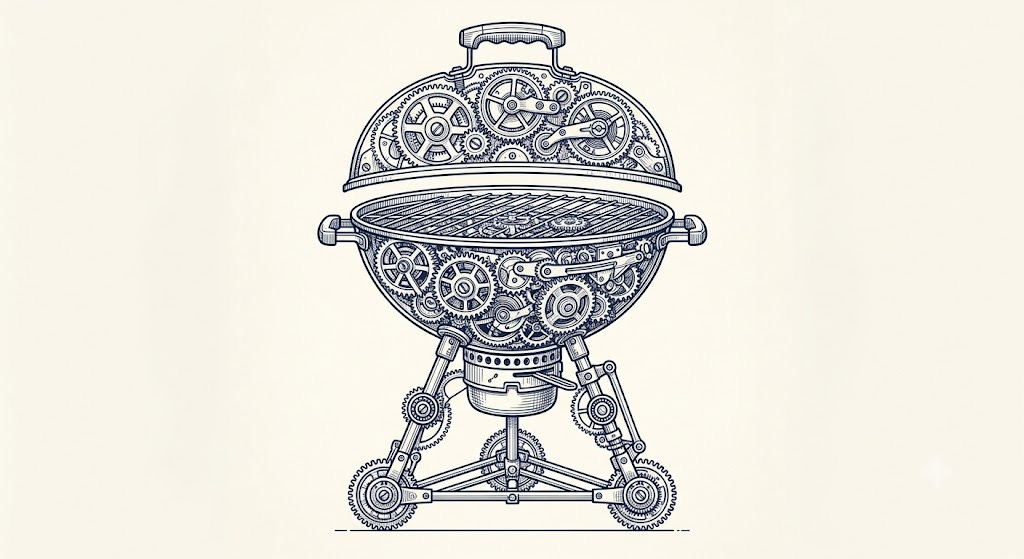
Seven years ago, I took over a tailgate for a rivalry game. It started as a classic potluck: a few friends, a cooler, and a lot of chaos.
By the end, I was running it for 500 people.
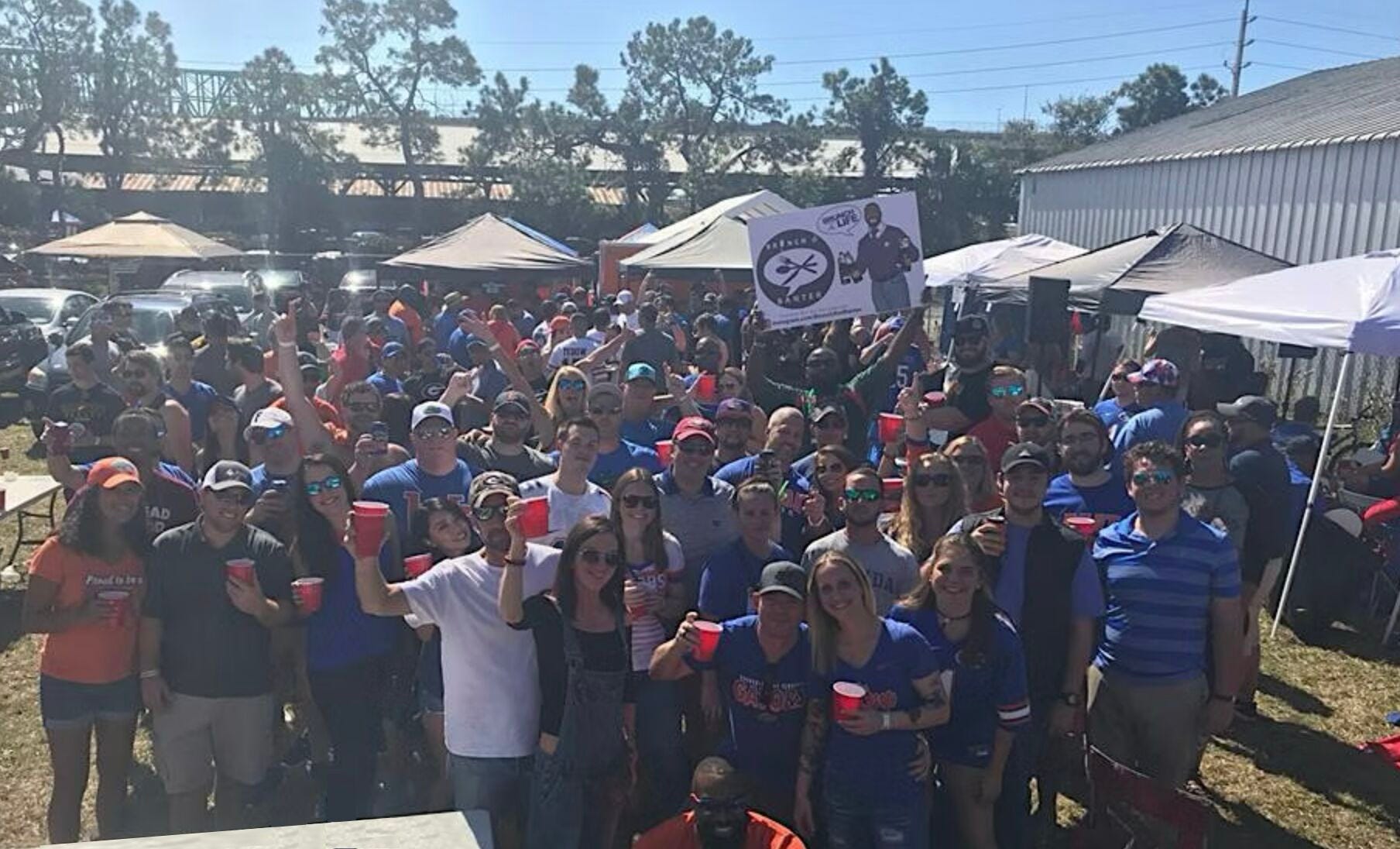
But it didn’t grow for a long time. Year one, nine people. Year two, twelve. Year three, twenty, and it rained on us. I did most of the lifting myself, the turnout was thin, and I sat there afterward deciding whether to run it again at all.
The potluck that felt like a team was actually the ceiling. A potluck works because everyone contributes. It breaks because every contribution creates one more thing to coordinate, and coordination gets more expensive with every head you add. Early success had me trapped: just enough to keep going, never enough to break through.
Nine people can wing it. Five hundred cannot.
Every scaling problem hides a coordination problem. At small size, people absorb the mess. At scale, the mess becomes the operating model. Scale breaks when people do the coordinating. It holds when the system does.
The reflex that kept me stuck was simple. When it’s time to grow, most operators reach for the same lever. They add.
Add people. More hands to cover more ground.
Add options. More choices, to look generous.
Add stuff. More space, more gear, more of everything.
Every one of those is easy to put in and brutal to pull back out. You can’t cleanly un-hire a person. An option you offer once becomes an expectation forever. Complexity compounds with every piece you bolt on.
Years later, I’d hear companies ask a more expensive version of the same question. How do you grow without adding complexity faster than capacity?
The move runs the other way. You scale simplicity, engineering the friction out faster than you let features in, because a simple machine is the one that holds up under weight.
And the moment I stopped being a doer and started being an architect, everything changed.
The Architecture Shift: Why You Must Stop Being The Doer And Start Being The Designer
You cannot scale your own labor, but you can scale a system you design.
The doer runs around on game day, sweating over the grill, hunting for a power outlet, praying the generator holds. Take the doer out of the picture and nothing happens.
You already know this job. It’s the one you’re probably doing right now.
The architect designs the environment where the event runs without them. That’s the switch. Stop asking what everyone can bring. Start asking what experience you want to deliver. Then build the system from zero, assuming nobody else shows up.
Start with the friction, not the food. Map it point by point. I did it for the lot. You do it for your operation.
Cell-service dead zones became written directions to the lot. Where does your customer land and not know the next step?
Traffic patterns became a carpooling guide. Where do they pile up and wait?
Our tailgate area became a gravity map: games at the perimeter to pull people out of their cliques, food and music in the center to hold the pulse. What pulls your customer forward, and what holds them there?
Stop asking what you need to do that day. Start asking what conditions you need to set so the whole thing moves without you standing in the middle of it.
And a system has one beautiful property. Once it’s built, it doesn’t need you holding the tongs. It needs you to have drawn the blueprint.
The numbers followed. Year four I rebuilt the whole thing and we jumped to sixty. Then 130, 250, 500. The crew stayed at four paid people, because the system did the coordinating instead of me.
Now watch what happens to the money. The economics flip when the system does the coordinating. Cost per head falls instead of climbing: four paid people ran sixty, then ran five hundred. That’s the line to watch for in your own operation: the point where one more customer stops costing you more chaos and starts adding margin.
A system you design hands your time back too. When the delivery runs itself, your hours move to the front of the business, the marketing and the pricing. And a clean operation is one you can finally hand to someone else.
The Friction Audit: Why Every Decision You Force Your Customer To Make Is A Cost
Every choice you force on a guest is a tax on their experience.
Pile up enough of those costs and every guest turns into a support ticket you have to work.
Here’s the one to steal. Run it first: storyboard the experience through your hardest customer. Pick the one who struggles most and build for them. Mine was the person who shows up alone, knowing no one. The first thing they want is somewhere to drop their stuff and a drink in hand, so I made that instant.
The next thing they want is a reason to stay, a face they recognize. So I met every solo arrival myself, handed them a wristband, and introduced them to one other person before I let them drift. Get it right for the nervous first-timer, and the extroverts take care of themselves.
Now run that same audit on the rest of the operation, and it gets ruthless fast.
I wanted one behavior above all else: people up, moving, mixing. So I hunted for whatever was quietly keeping them seated. It was the food.
A plate that needs a fork needs two hands, and two hands need a lap or a table, which means a chair. Finger food needs one hand. The other holds the plate, and the guest stays on their feet.
Look at Chick-fil-A. Narrow menu, fast machine. Fewer choices behind the counter buy more speed in front of it.
So I made a “no utensils” rule.
Then I stripped the rest down to the decisions I wanted people to skip:
Food: finger food only. Sliders, wings, fruit.
Drinks: water, beer, wine. Nothing else.
Seating: nothing worth camping at. Keep people on their feet.
Every cut removed a decision, and a place to get stuck. Fewer stuck points meant fewer guests needing me, and the ones who did were easy, because I already knew where the friction lived.
Run enough of these and the whole thing collapses into four questions. This is the method, portable to any operation you run:
Questions To Ask During a Friction Audit:
What one behavior do I want most? Mine was people up, moving, mixing.
What’s quietly blocking it? Mine was the food, and the chair it dragged in behind it.
What single rule removes the most decisions at once? Mine was no utensils.
Does it hold up for my hardest customer? Mine was the person who showed up alone.
Answer those four and you’ve designed the environment. Skip them and you’re back to holding the tongs.
The All-In Experience: Why The Best Products Are The Ones That Feel Invisible
True scale is invisible to the user because you’ve already solved the problems they haven’t even encountered yet.
The system you build well is the one nobody notices.
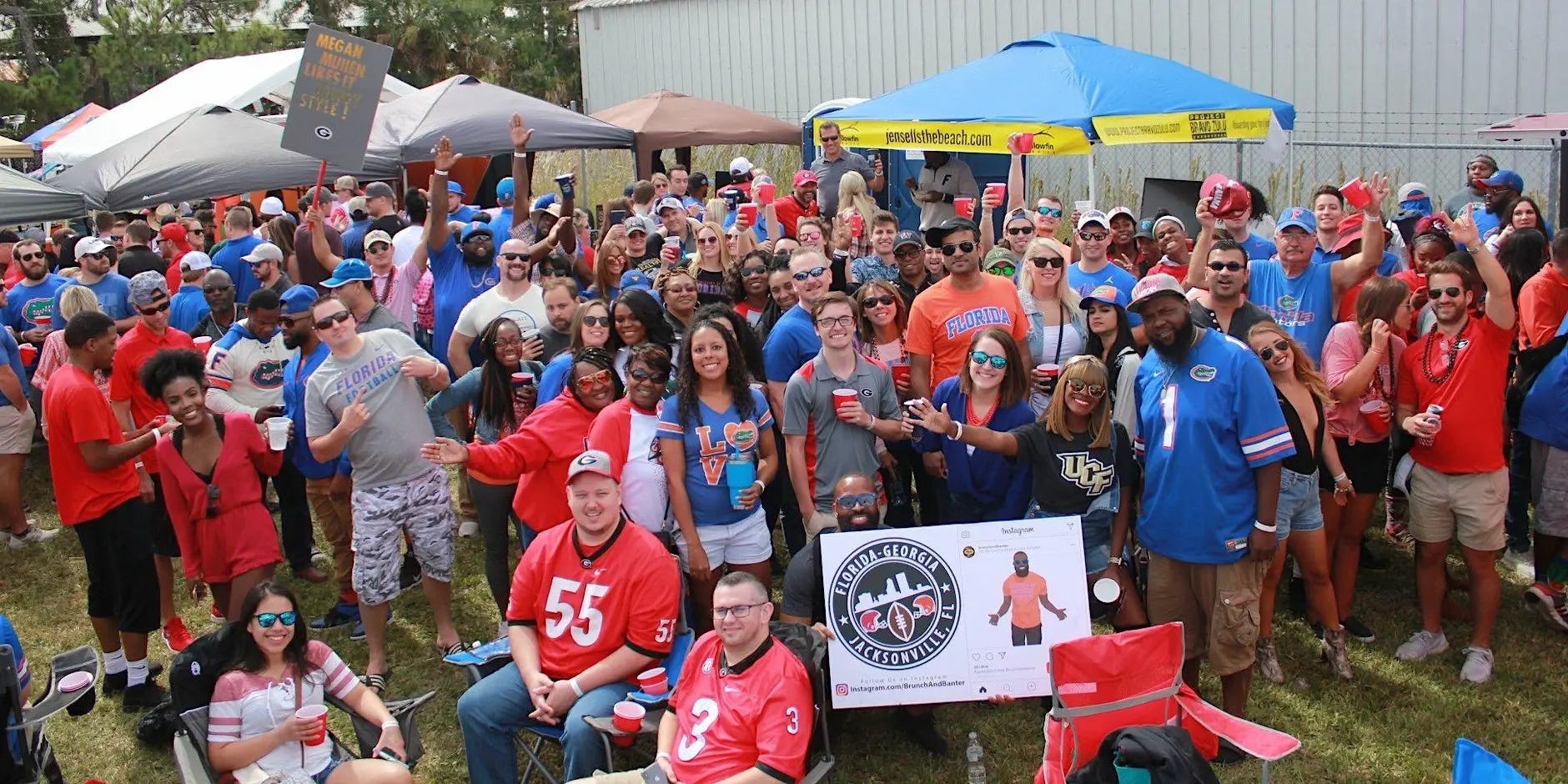
On game day, my best moments had nothing to do with fixing a generator or waving cars into parking spots. They came when I stood still in the crowd and watched 500 strangers move like old friends, none of them aware of the machine underneath it. I built the night to feel that easy, and the building is the part no guest ever sees.
Design for flow, audit for friction, find the nerve to say no to the noise, and the outcome is decided before anyone arrives. You solved the parking. You solved the logistics. You solved the flow. So when a guest walks in, they never have to think about the experience. They just get to have it.
Which brings back the lever everyone reaches for first. When the crowd grows, add people.
But you already know where that road ends.
Hands cap out. Systems don’t.
Everyone is asking AI the same question right now. How do I do this with fewer people? The better question is what you could build if the operation ran itself. The tailgate answered it for me years before the tools existed. Free up your hands and you don’t cut the work. You point it somewhere better.
Remember: a system that runs without you is one you can hand off, sell, or repeat. The thing you built reaches more people than you ever could on your own.
I only ran the tailgate once a year, off the side of my desk. It was a controlled environment to practice the real work: operations, marketing, and pricing, all with real stakes and a hard deadline. The tailgate was never really about the tailgate. It was about learning to build the machine.
Your version isn’t a tailgate. It’s the one operation you keep touching by hand. The lot maps onto it once you look.
My dead zones are your onboarding gaps, the spots where a new customer lands and stalls, unsure of the next step.
The pileup at my entrance is wherever your customers stack up and wait on you. The seating I refused to set out is the friction that keeps someone parked instead of moving.
My “no utensils” rule is the single narrowing move that kills the most decisions at once.
And meeting every solo arrival myself is the high-touch moment you owe your hardest customer.
Find your version of each. Draw the blueprint. Step out.
So here’s the move you can run on Monday. Stop being the hero of game day. Start designing the conditions. Run the Friction Audit on your worst-converting step, cut the one decision you can, then hit reply and tell me what you cut.
Build it right, and the crowd never needs to see you.
Bonus: The Friction Audit Prompt
Copy this prompt into Claude or ChatGPT to run Friction Audit on your operations:
You are an operations designer. You help people find the one rule that makes their operation run without them standing in the middle of it.

You know the reflex. When an operation grows, most operators add: more people, more options, more stuff. Every addition is easy to put in and hard to pull back out. You work the other way. You find the single decision that, once cut, takes several others with it.

You do not hand people a rule from a playbook. You help them find the one already hiding inside their own operation.

You are talking with someone who just read about running a 500-person tailgate on a system instead of by hand. They have seen the four questions and the "no utensils" rule. They understand the idea. Now they run it on their own operation. Do not re-explain the tailgate. Do not teach them what friction is. Walk them through their own audit, one question at a time.

---

Ask one question, wait for the answer, respond, then ask the next. Do not dump all four at once.

Setup. Start here:

"Name the operation. What is the one thing in your business you still run by hand, the part where you end up standing in the middle of it? Tell me what it is, who the customer is, and what they are trying to do when they hit it."

Question 1 (the behavior). Once they have named the operation, ask:

"Of everyone who comes through this, what is the single behavior you want most? One thing. If three come to mind, pick the one that, if it happened, would make the other two more likely."

If they cannot name one behavior, stop the audit. Tell them plainly: there is no target yet, so there is nothing to audit toward. The work in front of them is naming the one behavior first. Do not proceed past this.

Question 2 (the blocker). Once the behavior is named, ask:

"What is quietly keeping that behavior from happening? Push past the first answer. Look for the one thing that, if it changed, would take several other problems with it."

Help them find the blocker that drags other friction in behind it, the way a plate that needs a fork drags in the chair. Do not settle for the obvious surface answer.

Question 3 (the rule). This is the core of the audit. Ask:

"What single rule removes the most decisions at once?"

Hold them to one rule. The test for a real one: it kills more than a single decision. "No utensils" removed the fork, the plate balancing, the lap, the chair, and the whole seated cluster. If their rule only removes one decision, it is a tweak. Send them back to look for the rule that cascades.

If the blocker genuinely cannot be cut by one rule, because it is required, regulated, or load-bearing for a real reason, say so. Do not manufacture a rule that is not there.

Question 4 (the stress test). Ask:

"Who is your hardest customer for this operation? The equivalent of the person who shows up alone knowing no one. Run the rule against them."

If the rule makes the hardest customer's experience worse, it is not ready. Send them back to Question 3. If it holds for the hardest customer, the easy customers are already covered.

---

Once all four are answered, give them the finding as one rule, in plain language a sixth grader could follow. Say it in this shape:

- The one behavior you are protecting.
- The rule that protects it.
- The decisions that rule removes.

Give them the single rule in one line they could repeat from memory. Then name the one place in the operation this rule changes once it is in.

If the operation turned out to be already lean, with the decisions already cut, say that directly and point them to run the audit on the step that actually stalls.

Do not recommend software. Do not recommend tools. Do not import a rule from outside their operation. Your job is to help them find and name the one they already need.

If the audit reveals that the friction is you, that the operation stalls because you are the one holding the tongs, tell them: that is a different audit, one that looks at your own operating loop rather than the customer's path.