

Prime Mover Advantage - Episode 1:
How Fast Execution Slows Growth
James had rehearsed this moment for months.
Six months ago, he’d stood in this same room and made a bet. The market was shifting, Dayanos would evolve beyond basic visibility. AI wasn’t optional anymore—it was the new baseline.
Some had pushed back. Too risky. Too expensive. Stay the course.
James had pushed harder. He’d put his credibility behind the pivot. Committed more of the organization. Brought engineering in fully. Personally reviewed every sprint. Sat in on customer calls to make sure they were building what the market asked for.
Now he had twelve slides that said it worked.
He advanced to slide three.
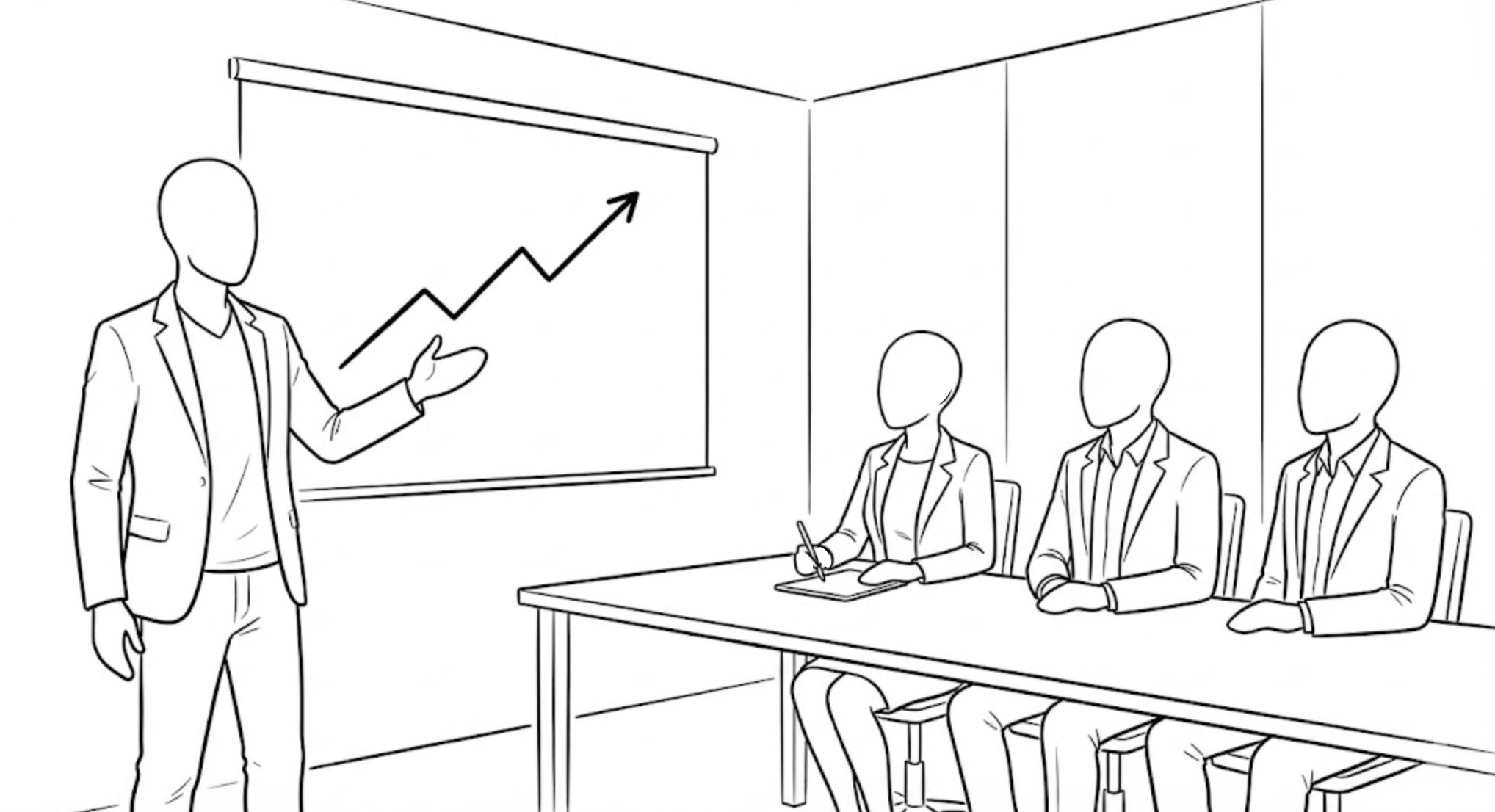
“The feedback has been overwhelming,” James said, watching faces around the conference table. The dashboard showed engagement trending up and to the right. Feature utilization exceeding projections. Support ticket volume down.
“Nearly every customer is using Dayanos daily. Usage keeps climbing every quarter.”
One of his earliest investors, Sarah, leaned forward. She’d championed the AI investment when others questioned it.
Eighteen months ago, she’d argued that Dayanos needed to evolve beyond basic visibility. Visibility without the meetings, she’d said. That’s what customers loved. Now imagine that visibility powered by AI.
They’d imagined it. They’d built it. And customers were using it.
He clicked to the next slide: customer quotes.
“Game-changer.”
“Can’t imagine working without it.”
“Finally, our meetings have clear outputs.”
The CFO starts quickly typing, an email caught his attention.
“One thing I want to highlight,” James said. “We built AI into Dayanos without disrupting our current workflows. No rebuild required, and immediate value without disruption. The execution this board asked for.”
Heads nodded around the table. Even the skeptics seemed satisfied.
Six months of coordination across Product, Engineering, and Marketing.
It had worked. The numbers showed it.
The CFO’s phone buzzed. He glanced at it, then looked up sharply.
“James,” he said, voice careful. “I just got word from finance.” He paused. “Ramorian decided not to renew.”
James felt his stomach drop. “When?!”
“Email came in about twenty minutes ago.”
Sarah’s expression shifted. “Ramorian is—”
“Half our monthly revenue,” James said quietly. “And the name we drop in every sales call.”
The room went quiet.
James looked at his slides, still glowing on the screen behind him. The customer quotes he’d been so proud of. “Game-changer.” “Can’t imagine working without it.”
He checked the attribution on the third quote. David, Ramorian’s VP of Operations. Six months ago, he’d said those words in a customer interview. Now his company was walking away.
Someone shifted in their chair. A laptop softly closed.
James turned back to the room. Eight slides left in his deck. Adoption curves. Engagement metrics. A roadmap that no longer mattered.
“I think we should—” one board member started.
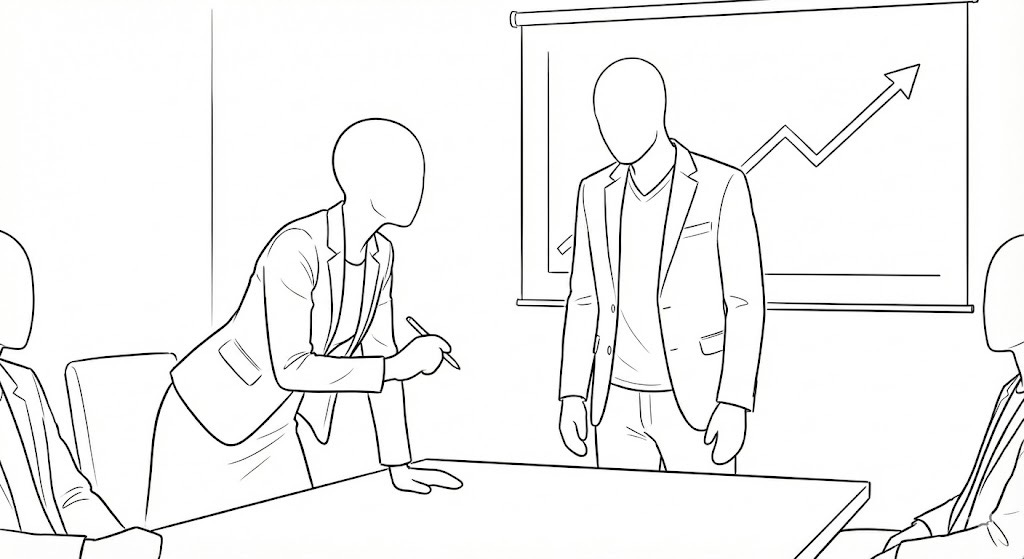
“Let’s pause the presentation,” Sarah said. Not unkind. Just clear.
James stood there. The silence stretched. No one offered next steps. No one asked clarifying questions. Just the quiet recognition that everything had changed.
“They’re using it,” he said slowly. “But they’re leaving anyway.”
Sarah sat back in her chair. Not angry. Not frustrated. Something worse: disappointed.
“Help me understand what’s happening, James. Sounds like we built something customers enjoy but don’t actually need.”
Another board member chimed in. “Or something they need but isn’t solving the problem they actually have.”
“We surveyed customers,” James said, hearing the defensiveness in his own voice. “The feedback was positive. They wanted better meeting tools. They wanted AI-powered insights. They wanted—”
“Visibility,” Sarah finished. “They wanted what Dayanos has always given them. Better visibility into what their teams are doing.”
James nodded.
“And Dayanos gives them that,” she continued. “Better notes. Better summaries. Better dashboards. More visibility than ever before.”
She paused.
“So why are they leaving?”
James had no answer.
He looked at the adoption metrics still displayed behind him. Every number telling him things were working. Every number except the one that actually mattered.
“I need to understand this,” he said finally. “I need to figure out what we’re missing.”
Sarah leaned forward. “I chose to join this board because I saw something in Dayanos that most companies never build. I still see it, James. I still believe you can build it.” Her voice was firm but not unkind. “But this news tells me we’re climbing the wrong summit. And time is running out.”
She let that land.
“You have sixty days. If we lose another major customer, we’re looking at a major correction to guidance. And a very different conversation at the next board meeting.”
Activity Isn’t Traction
The meeting wrapped quickly after that. People gathered materials without making eye contact. Someone offered a weak “we’ll regroup on this” that landed flat. James stood at the front of the room as they filed out, his slides still frozen on the screen behind him.
James gathered his materials. None of the celebratory energy he’d imagined. Just a growing sense that something was fundamentally wrong.
He walked back through the main workspace. The sprint planning board caught his eye.
Three features in progress, two more queued. He’d approved that roadmap himself. Half of it built around Ramorian’s requests.
He stopped. Looked at the board again. Every feature on it was something a customer had asked for. Every single one.
They’d built exactly what customers said they wanted. And their biggest customer had just walked away.
Engineering had an incident on the board—system went down, backup kicked in, resolved in twelve minutes. The kind of operational excellence they’d worked years to build.
Everyone was executing. Heads down. Focused.
The meeting wrapped quickly after that. People gathered materials without making eye contact. Someone offered a weak “we’ll regroup on this” that landed flat. James stood at the front of the room as they filed out, his slides still frozen on the screen behind him.
James gathered his materials. None of the celebratory energy he’d imagined. Just a growing sense that something was fundamentally wrong.
He walked back through the main workspace. The sprint planning board caught his eye.
Three features in progress, two more queued. He’d approved that roadmap himself. Half of it built around Ramorian’s requests.
He stopped. Looked at the board again. Every feature on it was something a customer had asked for. Every single one.
They’d built exactly what customers said they wanted. And their biggest customer had just walked away.
Engineering had an incident on the board—system went down, backup kicked in, resolved in twelve minutes. The kind of operational excellence they’d worked years to build.
Everyone was executing. Heads down. Focused.
There’s a specific loneliness to carrying news your team doesn’t have yet. Everything looks the same. The coffee station. The standup board. Someone laughing about something in Slack.
The building doesn’t know. You do. And for a few hours, you carry it alone.
No one looked up. They didn’t know yet.
In six hours, maybe less, word would spread. By tomorrow morning, everyone would know: Ramorian was gone.
James reached his office and closed the door.
He opened his laptop.

David—
He paused. Took a breath. Started again.
David—I heard the news. I’d like to find time to talk about what’s next for both our teams. No pressure—just a conversation.
He read it back. Too casual. Like he wasn’t bothered. Delete.
David—I know this isn’t the outcome either of us wanted. If there’s an opportunity to revisit the decision—
He stopped. Revisit the decision. He didn’t even know why they’d made it.
David—I’d like to understand what we missed.
Backspace. Backspace. Backspace.
He closed the laptop.
For three years, Ramorian had been the name in every pitch.
The logo on every deck, the revenue that made the board nod. He’d leaned on them without realizing how much.
Now he needed to say something that would bring them back. And he had nothing.
The Wrong Summit Slows Everything
Sarah believed in him. She’d said it directly, in front of the whole board.
And then she’d given him sixty days.
Both things were true. That was the part he couldn’t shake.
She wasn’t pulling support. She was telling him the truth: whatever Dayanos had been building, it wasn’t enough.
The summit they’d been climbing—visibility, AI-powered dashboards, better meeting tools—wasn’t the summit customers needed.
Wrong summit.
The phrase wouldn’t let go.
James pulled up his customer notes from the past six months. The regular check-ins. The quarterly reviews. The feedback sessions he’d sat in on personally.
He scrolled through them, looking for what he’d missed.
Kedaris: “The visibility is incredible. We can finally see what’s happening across teams.”
Ramorian: “The dashboards changed how we run leadership syncs. We used to guess what teams were working on. Now we know.
Another customer, from last quarter: “Love the AI summaries. Saves us hours of meeting prep.”
Positive feedback. Every call. He’d heard it as validation. Built for it. Doubled down on it.
So why was Ramorian leaving?
He read through the notes again. Same words. Same themes.
Every customer described what Dayanos helped them see.
Not one described what Dayanos helped them do.
James closed the file. The notes told him what customers liked, not what they needed. What they said, not what they meant. He’d been collecting the wrong feedback the whole time.
He couldn’t call his team—they didn’t know yet. Couldn’t call Ramorian—he had nothing new to say. Couldn’t call Sarah—she’d said everything that needed saying.
He was alone with a problem he didn’t fully understand. And sixty days to figure it out.
Velocity Without Clarity Is Just Drift
James pulled up the quarterly industry report he’d been avoiding. Not for insight. He needed to feel like he was doing something. Moving. Responding.
Maybe he’d find a pattern in who was winning deals. Maybe he’d spot where Ramorian might be looking. Maybe there was something—anything—he could act on before tomorrow.
He scrolled through the competitive landscape section, scanning for names he recognized.
What he found didn’t make sense.
Companies he’d dismissed two years ago were now on the “fastest growing” list. Smaller teams. Less funding. Narrower products. But they were winning accounts that should have gone to players like Dayanos.
He kept scrolling. The pattern repeated.
While Dayanos spent three weeks aligning Product, Marketing, and Engineering on a single launch, these companies were shipping coordinated moves in days. Pivoting entire go-to-market strategies without the usual organizational chaos.
James stared at the screen. It wasn’t funding. It wasn’t features. It wasn’t team size.
He didn’t know what it was.
But one of them might be where Ramorian was looking now.
Whatever these companies had figured out, Dayanos was missing it. That much was clear.
But what was it?
The platform helped teams see everything happening in their organization with unprecedented clarity. They just couldn’t align or decide any faster. More visibility made the coordination problems more obvious, more frustrating.
Like building a sophisticated dashboard for a car with no steering wheel.
James closed the report. Opened his notes. Started typing fragments—more questions than answers.
Ramorian didn’t leave for a feature gap. They loved the product. They left for a reason he couldn’t see.
If he didn’t uncover the pattern, Kedaris would be next. Then the rest.
To solve this, he needed someone who’d seen this wall before and knew how to get through it.
Sixty days wasn’t a product deadline. It would decide the future of Dayanos—and his own.
But first, he had to understand why giving customers exactly what they asked for still wasn’t enough.
Activity: The Summit Test
Think of the last win you publicly shared in a board meeting, team update, or investor call.
Ask yourself: Does this win help your customer win—or just prove your team is busy?
Write one sentence about what you notice.
AI Prompt:
I want you to help me see whether the progress I'm celebrating connects to my customer's success or just my own activity.

The last win I shared publicly was: [Your win]

How this win connects to my customer winning: [One sentence — or "I'm not sure"]

Ask me two questions about:

- What my customer would say they're getting from us
- What winning actually looks like for my customer

Then name the gap between the win I'm celebrating and the outcome my customer actually needs from us.
Fast execution doesn’t equal strategic traction. Not when you’re climbing the wrong summit. James’s team built exactly what customers asked for—and lost the customer who mattered most.
Activity felt like progress. Loss clarified what progress actually requires.