

Change the words, change the room. Change the room, change the results.
No Name Tags Required
On a Sunday morning in Seattle, a group of strangers sat down for brunch.
They left like they’d known each other for years.
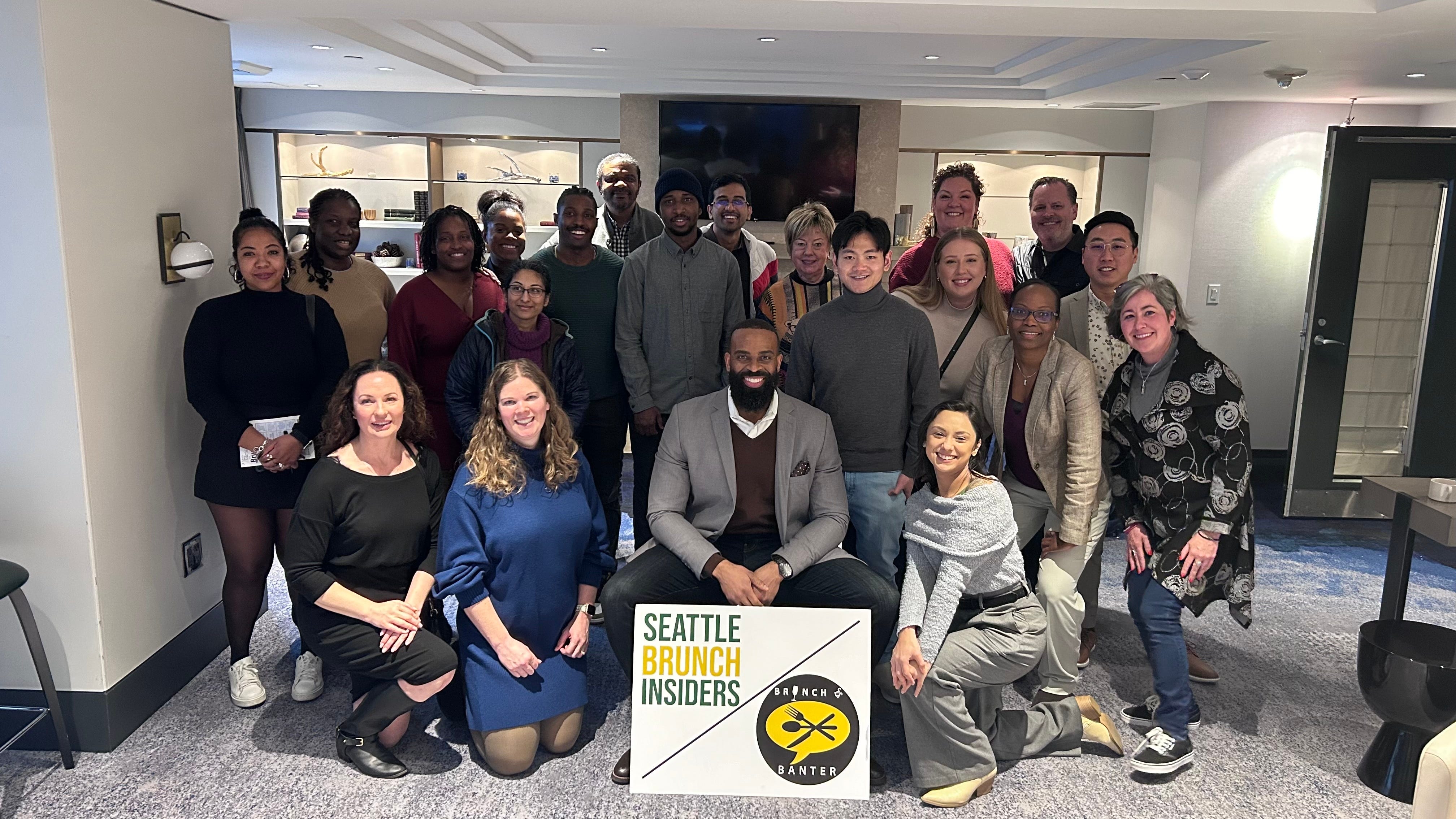
There were no name tags. You don’t need name tags for friends, even if you just met them.
Instead, there was a Brunch Bingo game on the table, with questions like “Tell me about a fun vacation you went on” and “What’s something you’re working on that excites you right now?”
Questions about the person, not their LinkedIn headline.
The conversations went deep fast. People stayed longer than they planned. They exchanged numbers because they wanted to keep talking. The conversation was worth continuing.
By the end of the morning, strangers had become friends. Follow-ups happened on their own.
A relationship coach and a financial consultant who met at one of these gatherings built a collaboration together.
A colleague in the talent acquisition space saw the format, took it with her, and launched her own version.
It was called Brunch and Banter.
“Brunch and Banter” signals warmth, intimacy, play.
“Networking event” signals obligation, status games, transactions.
Same Sunday morning. Completely different room. Because the words were different.
Eighteen months earlier, it had been three people at a table.
It felt like starting from zero, again.
You may have had a similar experience.
Maybe you moved to a new city. Maybe you changed industries.
Maybe you just looked up one day and realized the people around you were colleagues, not friends, and you couldn’t remember the last time someone called just to talk.
The pandemic handed most people a version of that. Mine came with a few extra layers.
I moved to Portland in January 2020. Uprooted my life from Jacksonville to start something new.
Two months later, the world shut down. Any brunching and bantering would have had to happen over Zoom.
Fast forward: my job moved me to Seattle in 2021, when lockdowns were still in effect. Two cities in two years, one just before a pandemic and one during it.
I knew one coworker in the entire city.
I had a playbook, something I’d built years earlier that I knew worked. But you can’t gather people when gathering isn’t allowed.
So I waited. Invested the time in other things. Then things reopened slowly, people were hesitant, and the muscle for showing up in rooms with strangers had atrophied for everyone.
June 2023. First Brunch and Banter in Seattle. Three people. Me, a friend I’d made in the city, and someone they brought along.
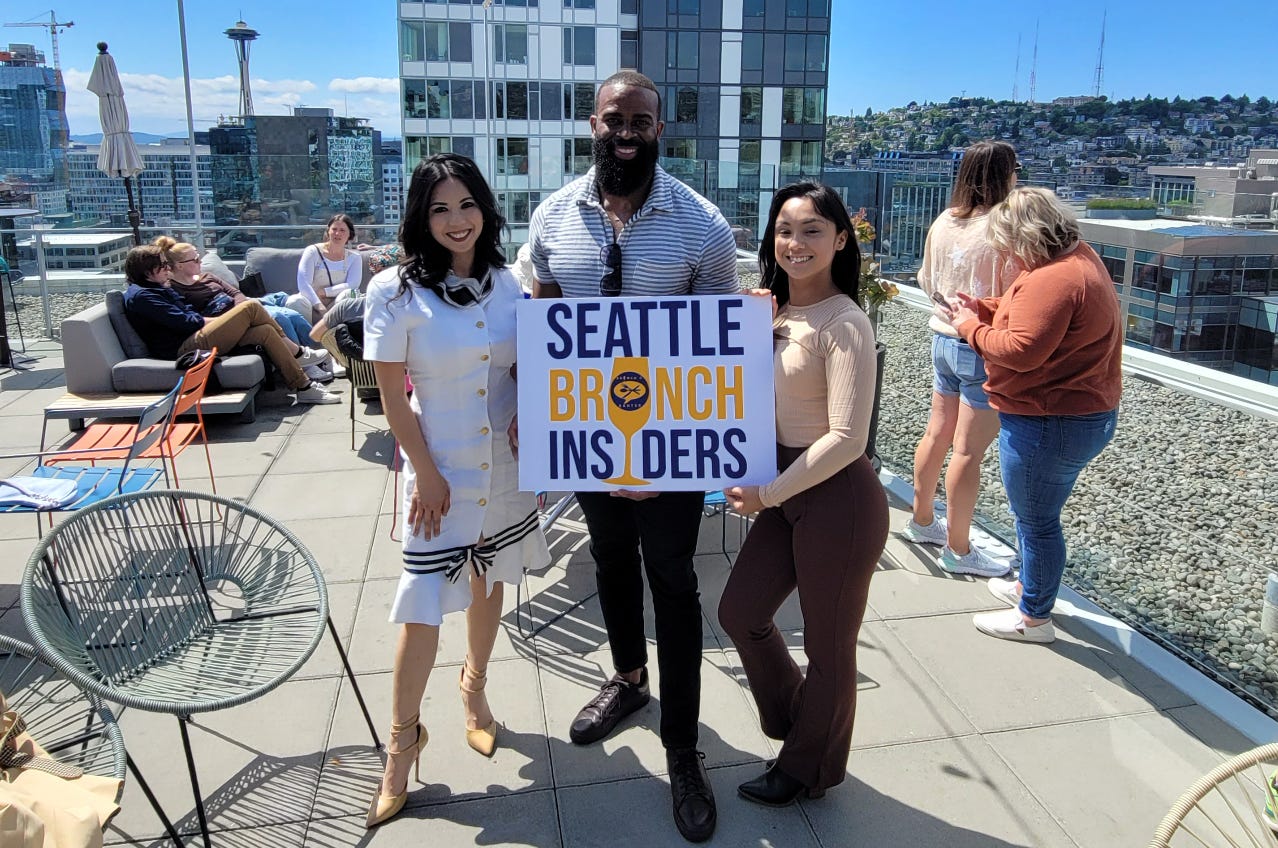
The second month: twenty.
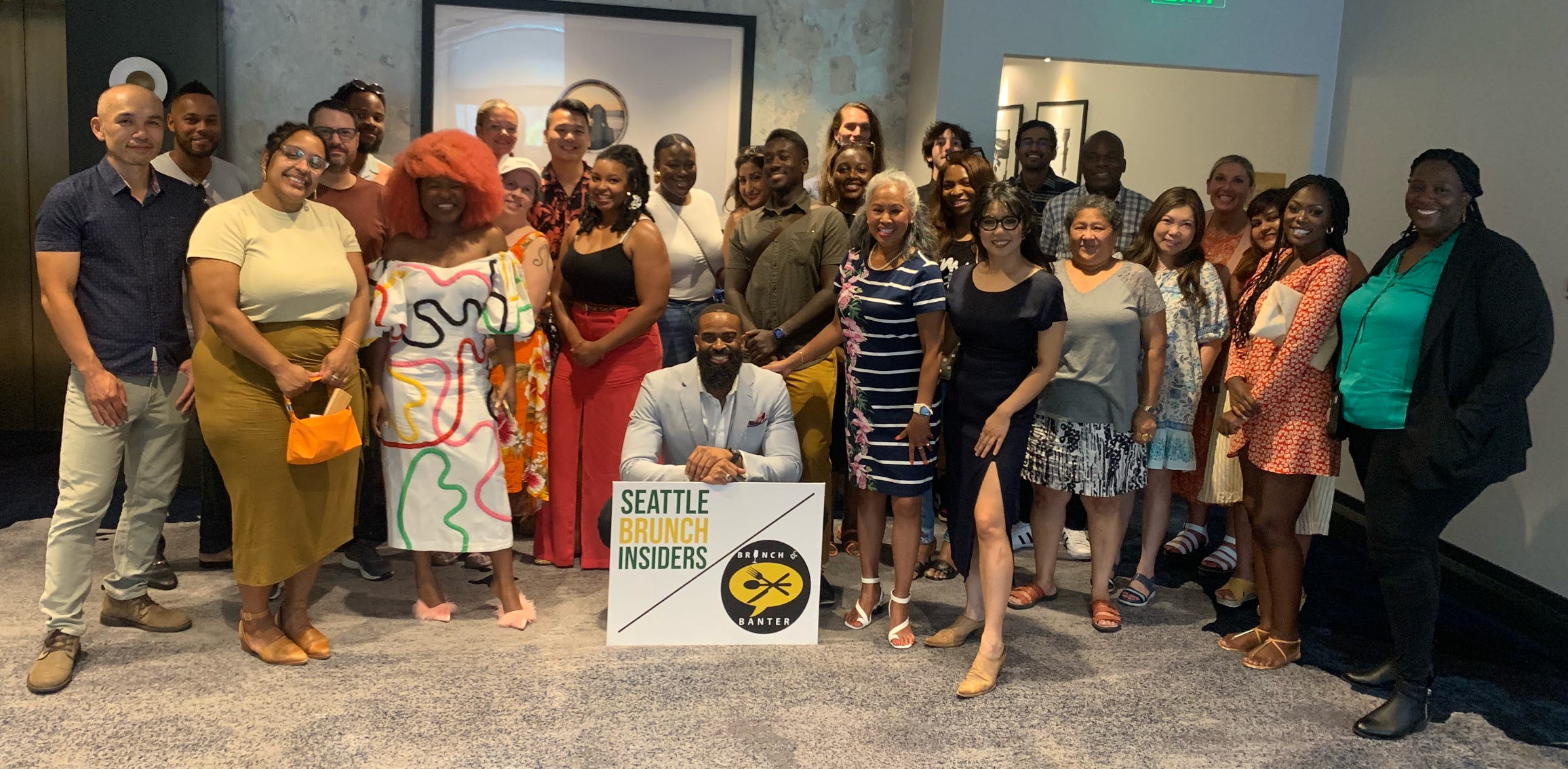
How did three become twenty?
How did twenty become a gathering that produced collaborations, friendships, and a format someone else carried into an entirely different industry?
The answer starts before Seattle. In, Jacksonville, before the pandemic.
When I first moved to Jacksonville, I did what everyone does when they don’t know anyone.
I went to networking events. Tuesday evening mixers, Thursday happy hours, chamber breakfasts. Name tags with your name and title. Elevator pitches. Business card exchanges in hotel lobbies.
Three hours in, you drive home with a stack of cards on the passenger seat. You flip through them at a red light. Half the names don’t connect to a face. The other half connect to a title, not a person.
You met their LinkedIn profile. You didn’t meet them.
Here’s the question nobody asks out loud at these things: Would I want to know this person if I didn’t have a business reason to?
Because if the answer is no, and it usually is, then what you just spent three hours doing wasn’t networking. It was auditioning.
I experienced this in Jacksonville. I experienced it again when I arrived in Seattle. Different cities, culture, and events. Same frustration.
And when I talked to other people at these events, not about business, about the events themselves, everyone had the same quiet realization.
They kept showing up because they didn’t know what else to do.
Every one of those events was built on the same premise: professionals connect by exchanging credentials in an after-work, weekday setting.
The format assumes the transaction is the value. But that’s not why people were in the room. They were there because they wanted to belong somewhere.
The events were fine. The category was the problem.
The natural move, and the one I almost made, is to build a better networking event. Better venue. Better icebreakers. Better name tags. Optimize the format. That’s what it looks like when you compete inside a category someone else defined. You inherit their problem definition and try to solve it better. Every improvement still operating inside the same frame.
I did something different. But it was closer to instinct than insight.
A series of small moves that only made sense looking backward.
At the events I kept attending in Jacksonville, I started doing something small with name tags.
Most people wrote their name and their company. I stopped writing my name at all. Sometimes I’d write Batman. Sometimes Clark Kent. Sometimes a celebrity name that would get a reaction.
The ones who played along, those were the people worth talking to. The ones who looked confused and moved on needed the credentials before they could engage. The format had trained them that way.
Without calling it that, I was running a filter. And the people who passed it were the first ones I invited when something different started to take shape.
Once I knew who belonged in the room, I needed a room.
I discovered a wine bar in Jacksonville called OVINTE. Its lounge couches made it the kind of place where you could sit down, move around, lean into a conversation or drift toward a new one.
A few friends and I started meeting there on Sundays. A buddy of ours sang there, Sinatra style, so we’d grab brunch, listen to the music, and just talk. The only agenda was the conversation.
We called it Sunday Funday.
What happened next wasn’t planned. Because nobody was performing or pitching, the conversations went somewhere real. People brought friends. Those friends brought friends. The group grew.
Two friends of mine, one an ex-Navy officer, the other a financial analyst, met through those Sunday gatherings and started a corporate cleaning business together.
Six figures in their first eighteen months.
Another friend had been job-searching for six months, kept showing up on Sundays, and connected with someone recruiting for a director of process improvement role.
He got the job.
A friend saw how the gatherings worked and it changed how she thought about her own industry. She realized the talent leaders she worked with were as starved for real connection as anyone else. They just didn’t have a format that gave them permission to drop the professional mask.
So she stopped trying to “network” talent acquisition leaders into a room and started hosting brunches called The Talent Collective for them instead.
All of that happened organically. The space allowed people to be themselves instead of performing a professional identity.
The format that promised nothing delivered everything.
The format that promised everything delivered business cards in a drawer.
You’ve probably seen your own version of this. The conference where every badge opens with a title. The happy hour where the first question is always “So what do you do?”
You drive home and realize you spent three hours collecting strangers’ resumes.
There’s a common idea that environment dictates performance. Change the room and you change the behavior. Anyone who’s walked into a library versus a bar knows the room sets the tone.
That principle usually gets applied as advice to find a better environment. Step into the right room. Surround yourself with the right people.
What I’d done, without realizing it, was something different. I built the room myself.
And I built it starting with two words.
The words did the work
For a while the gatherings didn’t have a name. Just Sunday Funday. But something shifted when I gave it one.
I had a reputation in Jacksonville for a certain style of dress. Blazers, pocket squares, the kind of thing that stands out in a beach city. I didn’t announce a dress code. I just showed up the way I show up.
And people started matching it. Without anyone being told to, the energy shifted upward. People treated the gathering differently because the signal said this is worth showing up for.
That’s when it became Brunch and Banter.
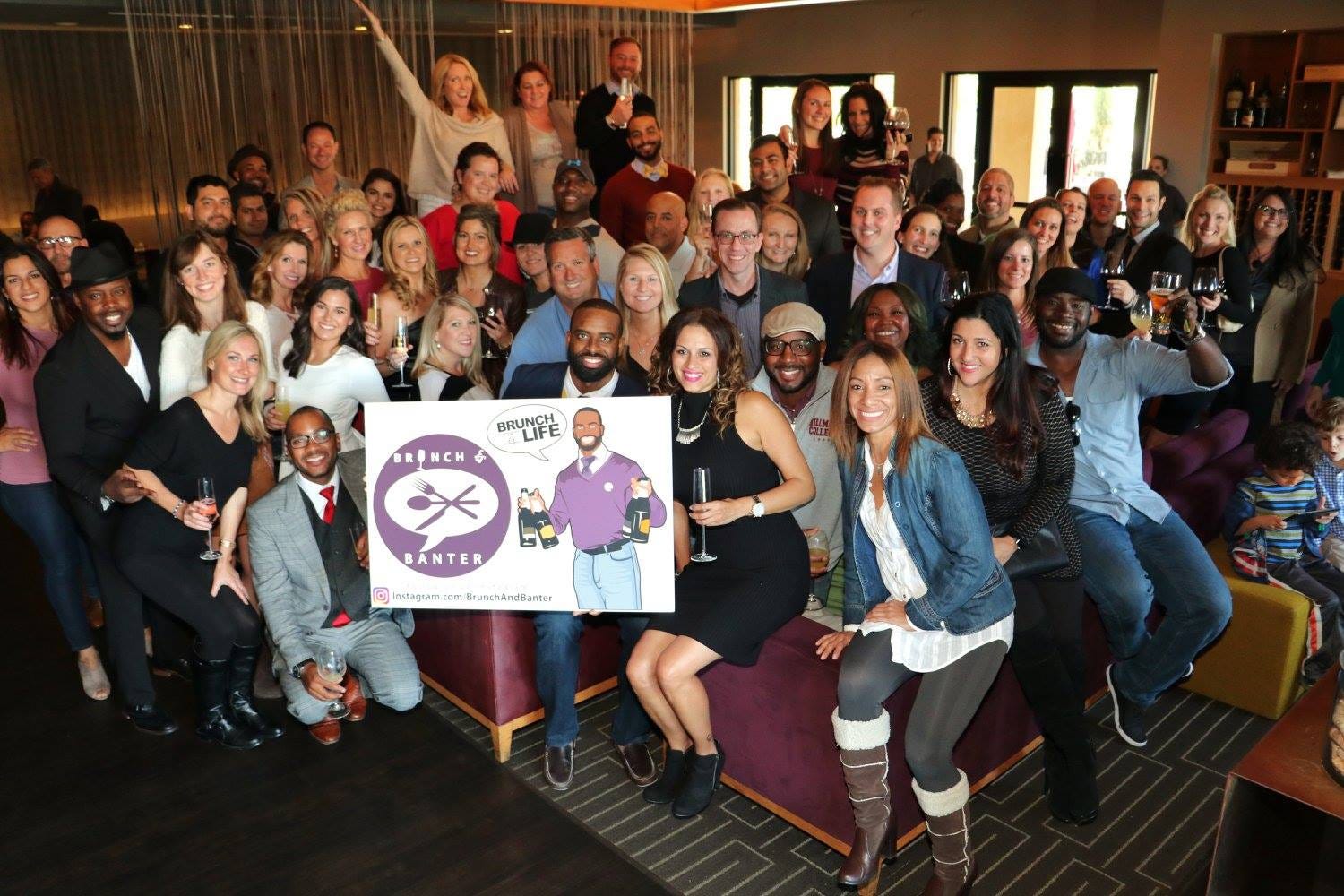
Brunch and Banter changed people’s thinking from “work the room” to “have a real conversation.”
That thinking changed their behavior: how they sat, how long they stayed, what they talked about, whether they came back. And the behavior changed the outcomes.
The cascade:
Language changes thinking. Thinking changes behavior. Behavior changes outcomes.
The move to Seattle reset the progress. New city, no community, no mailing list. But I carried the pattern and the confidence that Jacksonville had built. The venue could be found. The people could be found. The skill of building the room was already mine.
That’s what mattered.
I knew who the right people were before I had a single gathering. In Jacksonville, the people who made Brunch and Banter what it became were from charity work, philanthropic organizations, community causes. People who already understood what it meant to bring others together.
In Seattle, I went looking for that same pattern deliberately. Fred Hutch Innovator events. American Heart Association galas. Rooms where the energy ran on generosity, where people showed up because they cared about something beyond themselves.
Thursday evenings, I’d scout venues. The kind of places where the energy loosens, where people are starting the weekend early, travelers settling in, folks coming off the golf course. I’d sit at the bar and mention I was looking for a place to host a brunch event. That line opened more real conversations than any elevator pitch I’d ever delivered at a mixer.
In Jacksonville, the room had been the filter. A wine bar, brunch on a Sunday, elevated dress. That combination isn’t common, and the people it attracted weren’t random. In Seattle, I didn’t have that yet. So I built a different filter.
I charged money. Enough to cover a meal and a drink, enough to filter for commitment. And I designed for the warmth that Jacksonville had produced organically. Brunch Bingo with questions about the person, not their profession.
The mechanisms made strangers feel like friends faster because they skipped the professional small talk entirely.
Before I Had a Name for Any of It
This is a story about a premise I rejected.
The premise was simple: brunch is for friends. Networking is for strangers.
Those are different categories and they don’t cross. Everyone knew that. I just decided to act as if it wasn’t true.
I could have stopped. People won’t show up to eat brunch with strangers. That’s not how it works.
Except the patterns I’d seen told me otherwise — people weren’t showing up to networking events for the networking. They were showing up for the thing networking couldn’t give them. So I bet on the pattern instead of the premise.
Brunch can be for strangers too.
The stakes weren’t enormous. I wasn’t betting my life savings. But I was betting what my professional and social life in a new city would look like.
Looking back, I can see the pattern in my own moves:
Batman on a name tag — that was positioning before I had the word for it.
Brunch on Sundays at a wine bar. — that was category design before I understood the concept.
Brunch Bingo with questions about the person — that was experience design before I could explain why it worked.
How to change the setting that changes outcomes
Every market has a premise that feels too obvious to question.
This is how our industry works.
This is what customers expect.
And inside that premise, there’s an assumption about why people show up. An assumption that might be wrong.
I didn’t change the people. I didn’t change the city. I changed two words.
“Networking event” became “Brunch and Banter.”
The words changed the thinking.
The thinking changed the behavior.
The behavior changed the outcomes.
The setting isn’t the venue. The setting is the language that tells people how to show up.
So here’s the question worth sitting with:
What is the language framing your category right now?
What words are telling your customers how to behave before they even walk in the room?
Pay attention to the language people already use. Not the language in your marketing. The language in their habits. The words they say without thinking, the ones that carry a connotation they’ve stopped noticing.
For example:
Nobody calls it “going to exercise class.” They say “I do CrossFit.” A gym is where you go to check a box. CrossFit is where you go to become someone.
One word. Completely different room.
That’s what language does when you change it deliberately. It wakes people up from the patterns they’ve been operating inside. It interrupts the autopilot. And once someone is thinking differently about what they’re walking into, they behave differently once they arrive.
If you’re building something new, or rebuilding something that stopped working, start with the words.
Not the strategy. Not the format. The words. Find the term your category uses out of habit and ask what it’s actually telling people to do. Then find the word that tells them to do what you actually want.
Your answer won’t be Brunch and Banter. But your answer will be something that can be yours.
Yours lives in the gap between what your market assumes and what your customer is silently frustrated by.
The specificity of the answer is what makes it ownable.
Change the words, change the room. Change the room, change the results.
P.S. If you're thinking about what makes your answer ownable, I wrote a 9-part framework for that. It's called "Own the Narrative That Can't Be Copied."